THCA Hash and Piatella Explained

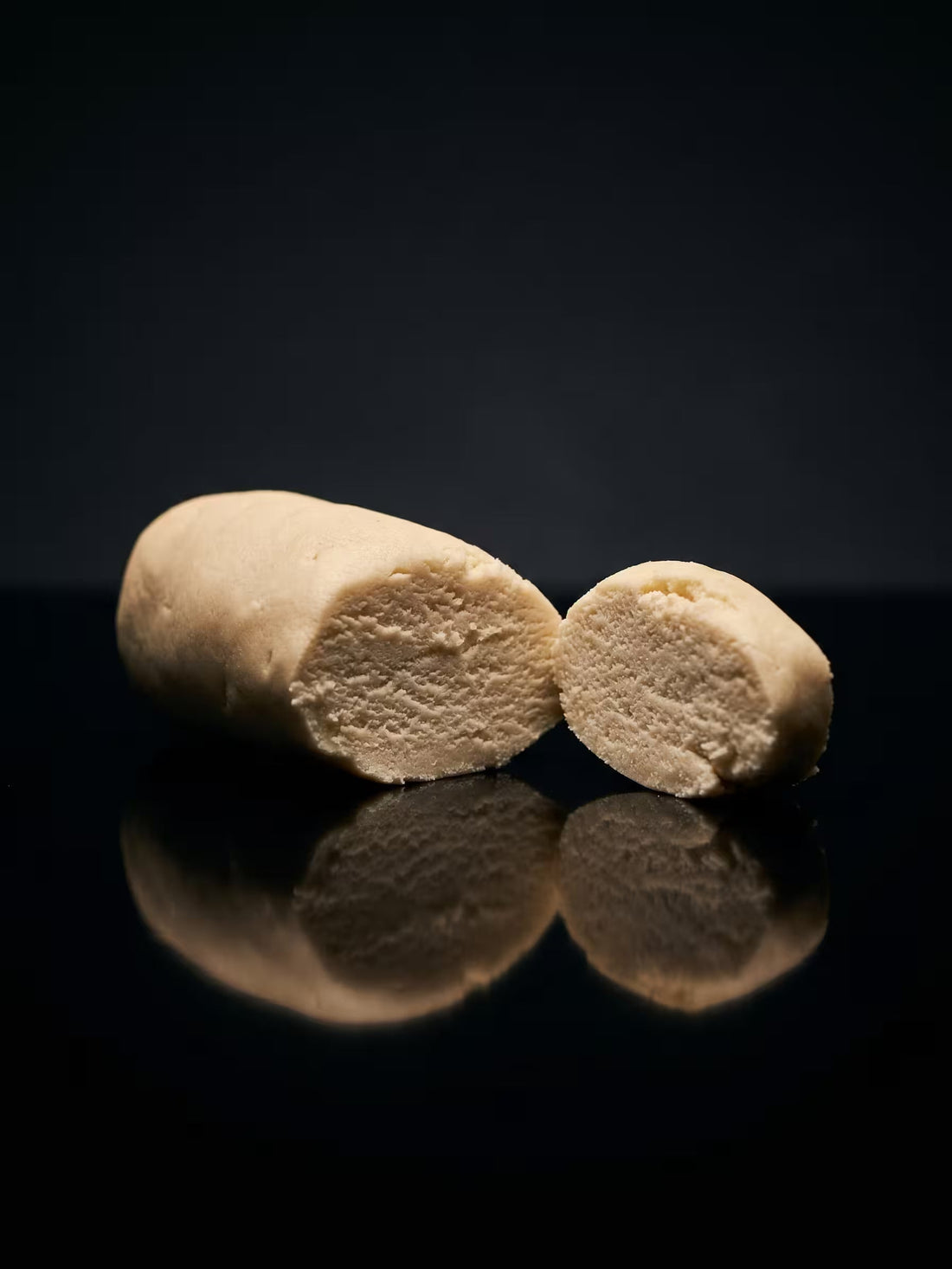
THCA hash and Piatella explained: full-melt, wash grades, and provenance for UK buyers
THCA Hash and Piatella Explained If you collect THCA hash in the UK, you have probably seen terms like full-melt, 90u, cold cure, and wash grades. They are useful signals of process and quality, but only if you know what they mean and how to verify them.
This guide breaks the jargon into clear checkpoints you can use when evaluating a jar, a slab, or a pressed piece. It centres on sourcing, washing, micron grades, and presentation standards. It also sets out the UK compliance framing for non-activated materials intended for hot water herbal tea infusion, with practical trade notes for retailers who want to educate customers ethically and lawfully.
High-purity THCA. USA hemp derived. No additives. Non-activated. Documentation first.
What Piatella, full-melt, pressed, and dry-sift actually mean
Piatella: A cold-separation hash style built from high-grade ice-water hash or dry-sieve that has been gently worked, hand-pressed, and cured in a controlled, cool environment. The goal is to keep trichome heads intact and soft, with a buttery, pliable texture that can appear glossy, marbled, or custard-like. True Piatella is head-heavy, low in contaminant plant material, and aromatic because native terpenes are preserved. Production is labour-intensive and yield-light, which is why it appears in small batches.
Full-melt: A performance descriptor for high-grade ice-water hash that melts fully into a clear or near-clear liquid when exposed to heat, leaving minimal residue. In practice, collectors use “six-star” as shorthand for the cleanest melt and “five-star” for near-full-melt. Full-melt typically correlates with narrow micron selections (for example, 73u to 120u), careful wash technique, and clean curing. It is not a guarantee of effects – it is a proxy for purity.
Pressed hash: A compact, cohesive piece formed by compressing kief or trichome-rich material. When made from clean sift or wash fractions, pressed hash can be tidy and aromatic, but it does not automatically equal full-melt. Texture tends to be denser and less aerated than Piatella, with a matte or waxy break rather than a custard-like pull.
Dry-sift: Trichome collection via fine screens at low temperatures without water. High-grade sift can be exceptional if it is “static-cleaned” to remove micro-contaminants. Lower-grade sift retains more cuticle, dust, and micro-plant matter, which impacts melt and clarity.
In short: Piatella is a presentation style for clean, cold-separated resin heads; full-melt is a performance tier; pressed and dry-sift describe how resin was collected and formed. The cleanest expressions typically start with quality fresh-frozen input and narrow micron ranges – this is the industry standard for premium hash production and something worth looking for in provenance documentation when evaluating any product.
Why input quality and cold cure matter
Terpene-forward strain character is at its best when trichomes are captured at peak ripeness and handled carefully throughout. In quality hash production, fresh-frozen material goes from harvest to cold storage quickly, curbing enzymatic changes and terpene loss. During ice-water washing, cold, intact heads separate with less smear and less chlorophyll bleed. A controlled cold cure then lets oils homogenise without driving off volatiles.
When evaluating jars, look for:
Aroma fidelity: The jar should read true to the genetics, not generic “sweet” or “lemon.” Named terpene families like Myrcene, Caryophyllene, and Limonene are commonly dominant in the profiles The Bud Works lists across the hash range.
Texture and clarity: Piatella should be soft, pliable, and uniform, with a glossy break. Full-melt fractions should liquefy cleanly when tested in lab conditions, leaving minimal residue.
No additives: No sprayed terpenes, flavourings, or fillers. Clean, native expression only.
Typical THCA percentages in lab documentation for premium cold-separated formats often fall in the mid 80s, with catalogue examples around 86 to 88 percent THCA. Numbers vary by genetics, process, and moisture content. They are not a shorthand for experience – treat them as composition data, not a promise of outcome.
Wash micron grades, appearance, and quality
Micron grades reference the mesh size used to catch trichome heads during washing. Heads from many contemporary genetics cluster around 73u to 120u, though this varies.
45u to 70u: Can capture smaller, oil-rich heads. Often aromatic but may include more grease and less structure. When clean, it can still present beautifully, especially in Piatella-style cures.
73u to 90u: A sweet spot for many cultivars, balancing oil content and structure. Frequently used for full-melt selections due to head integrity and cleanliness.
120u to 160u: Larger heads and some cuticle load. Sometimes used to round out flavour but can reduce melt if not cleaned meticulously.
Appearance correlates with cleanliness. Narrow, well-washed fractions display better clarity and may qualify as full-melt. Broad catches or less refined pulls can look darker or dustier and usually leave more residue. Provenance notes should specify the micron range, the number of washes, and whether mixed screens were blended.
Reading lab reports for hash: what matters most
For cold-separated hash formats, the Certificate of Analysis (COA) should cover:
Cannabinoid panel: THCA as the main acid form, Delta-9 THC at or below UK limits as documented. This is essential for legal framing.
Residual solvents: Not applicable to pure ice-water hash, but crucial for extracts like live resin. If solvent-extracted material is used anywhere in the process, residuals must be below accepted thresholds.
Microbials: Total aerobic count, yeast and mould, E. coli, Salmonella where applicable. Low moisture formats test clean more readily, but the data should confirm it.
Heavy metals: Arsenic, cadmium, lead, mercury within accepted limits.
Pesticides: A screened panel appropriate to the region and cultivation style.
Water activity or moisture (where provided): Helps infer shelf stability.
Prioritise accredited, independent labs. Batch numbers on the jar, label, and COA should match. Our covers each of these sections in more detail if you want a practical walkthrough.
Provenance and batch integrity for UK buyers
Trustworthy sourcing shows its work. Assess:
Origin and input detail: USA hemp derived, with clearly documented genetics and sourcing. Look for named strain lineages and process transparency rather than vague origin claims.
Process notes: Ice-water or dry-sieve, micron ranges, number of washes, and cure style (cold cure, Piatella working, or pressed).
Batch documentation: Publicly accessible COAs that match the batch in hand. Check dates and lab accreditation.
Presentation standards: Sealed, labelled jars with batch codes and storage guidance.
For a reference point on compliant, documented listings, review The Bud Works collections for THCA hash and Piatella. When you are researching availability or provenance, you can compare structure, documentation, and declared inputs with what you see in the jar.
UK compliance framing for non-activated hash
Non-activated only: THCA is the acidic precursor to Delta-9 THC. Heat at decarboxylation temperatures can convert THCA into Delta-9 THC, which is a controlled substance in the UK. Hot water infusion for herbal tea operates well below those temperatures, which is why this is the intended use for all products in The Bud Works range. Products are supplied non-activated and intended for hot water herbal tea infusion only. Not for combustion or inhalation.
Documentation-driven: Buyers should retain batch COAs demonstrating Delta-9 THC is at or below applicable limits at the point of sale. Keep labels and batch identifiers with invoices.
Age restriction: 18+ only.
Storage and handling: Store sealed, cool, and dark. Refrigeration is recommended for terpene-rich formats including Piatella. Avoid heat, light, and prolonged air exposure to minimise terpene loss and preserve non-activated status.
Liability and responsibility: Buyers are responsible for lawful possession and handling post-sale. Do not apply direct heat beyond hot water infusion temperatures.
For an in-depth explainer on the UK context, see our It outlines the documentation-led approach and why non-activated status matters.
Trade notes: educating customers ethically and lawfully
Retailers set the tone. A clear, compliant approach protects your shop and your customers.
Lead with chemistry and documentation, not consumption. Emphasise non-activated status, lab-backed Delta-9 THC data, clean USA hemp derived inputs, and intended use for hot water herbal tea infusion.
Teach the vocabulary: Explain that full-melt is a cleanliness tier, Piatella is a cold-worked presentation, and micron grades signal head size and refinement – not effects.
Publish batch COAs: Link them on product pages and keep printed copies on file. Align jar labels, batch codes, and invoices.
Standardise storage practice: Refrigeration for Piatella and terpene-rich formats, minimal light and air, inventory rotated by batch date.
Avoid additives: No sprayed terpenes, no flavourings. Native expression only, as reflected in the COA and product description.
Set boundaries: Intended for hot water herbal tea infusion only. Not for combustion or inhalation. Age-gated sales with ID checks.
Wholesale buyers can contact for provenance-backed batches and documentation. For current Piatella and ice-water selections, view our and compare micron notes, cure style, and COAs.
Quick FAQ for UK collectors
What makes Piatella and full-melt different from pressed or dry-sift hash?
Piatella is a cold-worked, soft, head-forward presentation of clean resin, often derived from narrow wash fractions and cured cold. Full-melt is a cleanliness and melt-performance tier. Pressed or dry-sift hash describes how resin was collected and formed – it can be excellent, but it is not automatically full-melt.
How do wash micron grades relate to appearance and quality?
Narrow selections in the 73u to 120u range often yield cleaner, clearer melt with fewer contaminants. Smaller screens like 45u to 70u can carry rich oil but may be greasier. Larger screens can include more cuticle, which can dull clarity and melt.
Which lab report items matter most for hash?
Delta-9 THC compliance, THCA percentage, residual solvents where relevant, microbials, heavy metals, pesticides, and moisture or water activity where provided. Full breakdown in our COA guide.
How should UK buyers assess provenance and batch integrity?
Look for USA hemp derived inputs, named genetics, process details including micron ranges and cure style, matching batch codes, and publicly shared COAs from accredited labs.
What UK compliance factors apply to non-activated hash?
Non-activated only, intended for hot water herbal tea infusion. Not for combustion or inhalation. Maintain documentation showing Delta-9 THC compliance. Store cool and sealed. Buyers are responsible for lawful handling.
Which hash formats work best for herbal tea preparation?
Pressed hash and the more granular formats like Piatella crumbled into small pieces work well in a standard tea infuser. For a full practical guide to brewing, see our
Where to explore documented THCA formats
Browse The Bud Works’ THCA hash collections for pressings, full-melt styles, and Piatella with batch documentation.
For the UK legal framing around THCA and Delta-9 thresholds, read the dedicated legal status guide.
Summary
Clean THCA hash is about source material, cold technique, and honest presentation. Piatella names a cold-worked texture and cure, full-melt names a cleanliness tier, and micron grades reveal how the resin was selected. The best jars pair melt and clarity with aroma fidelity and clear documentation. All products in The Bud Works range are USA hemp derived, non-activated THCA materials intended for hot water herbal tea infusion. In the UK, keep the focus on non-activated status, compliant Delta-9 THC data, and careful storage. Retailers can lead with education, transparency, and batch integrity so collectors and herbal tea enthusiasts know exactly what they are holding.

