
If you’ve ever sat down with a bag of cannabis nutrients or leafed through a gardening manual, you’ll have noticed three letters cropping up everywhere: N, P, and K. The notorious npk ratio refers to nitrogen, phosphorus, and potassium, which are wely recognised as the main pillars of plant food. These often appear front and centre on product labelling. But as any seasoned CBD grower in the UK will tell you, stopping at NPK is like judging a cricket match after just the first innings—woefully premature. When nurturing hemp for top-notch CBD, focusing solely on these big three misses out a universe of supporting characters without whom the show simply cannot go on.
So, what’s missing when we obsess about npk ratios? And why does this spell trouble for anyone serious about quality CBD yields? Let’s dig beneath the surface for a story that goes well beyond the numbers printed on the se of a fertiliser bag.
Every bottle of nutrient solution for weed starts here. Nitrogen kicks off early growth, phosphorus champions roots and flowers, and potassium rounds out overall vitality. For the beginner, they make it sound straightforward: choose the right ratio, and let nature do its work. Yet even among enthusiasts pursuing cannabiol-rich harvests, there’s a wespread misunderstanding of what these elements really do—and, perhaps more critically, what they don’t.
The knowledge that cannabis plants require unique balances during each stage is broadly accepted. A high-nitrogen mix energises the vegetative stage by powering green leafy growth, while phosphorus and potassium jump ahead for bloom nutrition. Nevertheless, real-life growing rarely sticks to textbook scenarios. A perfect npk ratio doesn’t guarantee robust health or abundant trichome production if the rest of the nutritional orchestra is missing in action.
There’s a certain reassurance that comes from reading those familiar numbers—say, 3-1-2 or 1-3-2—on a feeding schedule. But several key gaps open up when we treat them as gospel rather than guance.
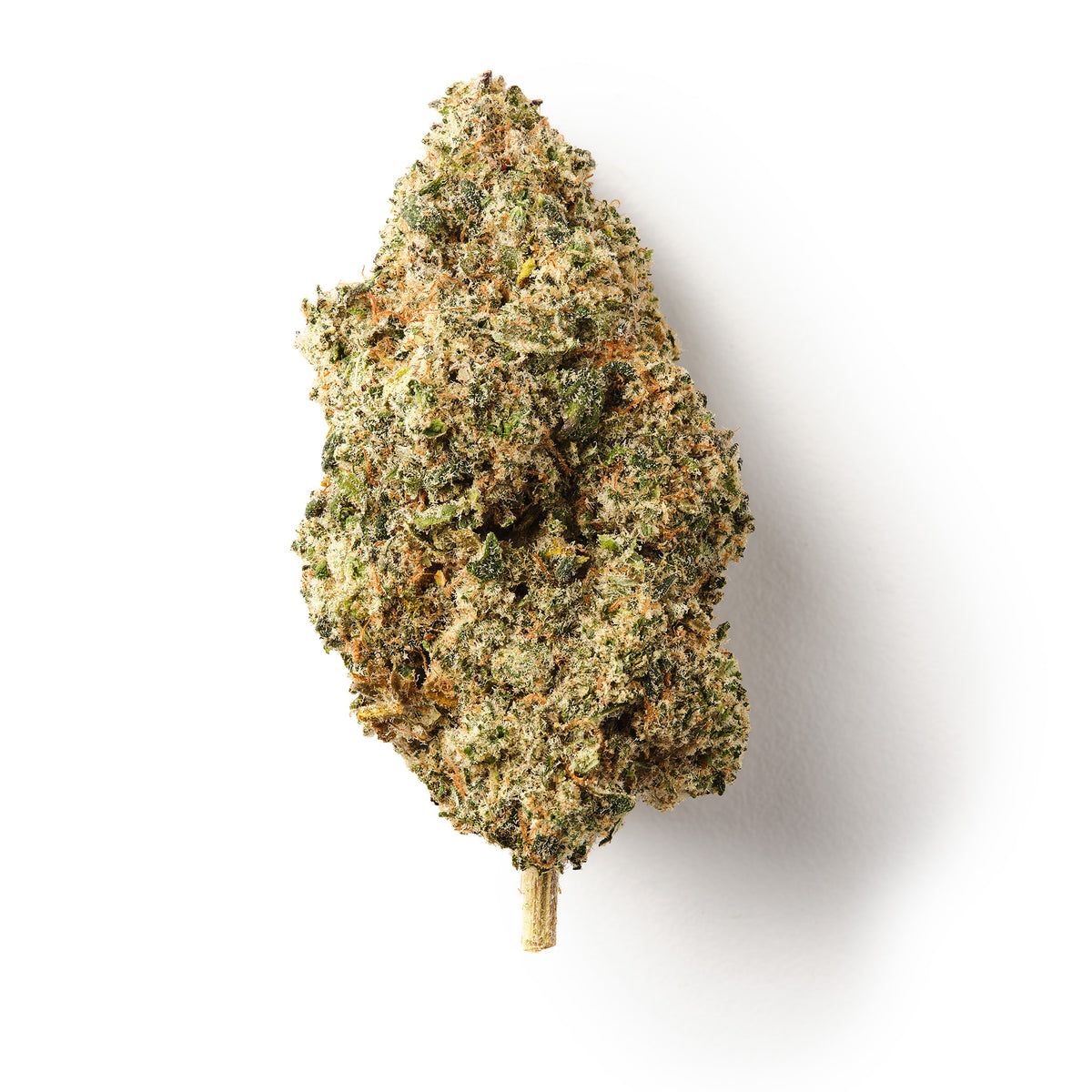
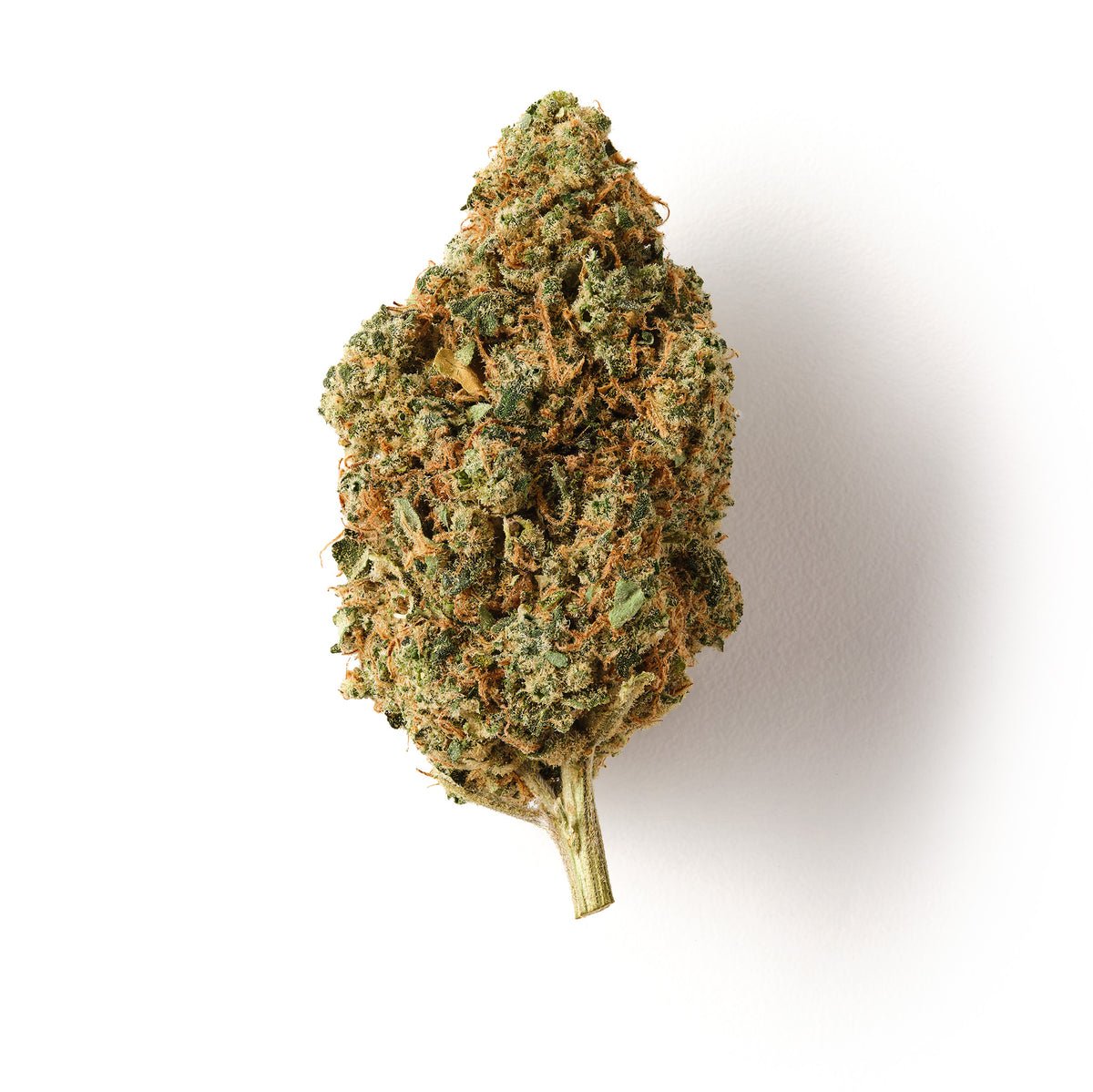
Let’s start with the reality that hemp plants don’t only need nitrogen, phosphorus, and potassium. If you are interested in sourcing high-quality CBD-rich hemp, you can explore CBD flower buds from a CBD flower shop in the UK, where the emphasis is on cannabino content and plant health. Feeding a strict diet of these three is akin to living on bread, water, and cheese. You might survive, but you’ll hardly thrive, and certainly won’t break records for stamina or brilliance.
Calcium, magnesium, and sulphur are sometimes called “secondary” nutrients, but their contribution in CBD cultivation is anything but marginal. Take calcium: it’s vital for cell wall strength, root development, and enzyme activity—all fundamentals that impact cannabino concentration and resilience against disease. Magnesium is equally critical as the central atom in chlorophyll, driving photosynthesis and enabling lush, healthy foliage during the growth phase.
Sulphur, too, deserves a standing ovation. It’s involved in forming vitamins and amino acs, both necessary for metabolic processes and the synthesis of terpenes—the very aromatic compounds that define beautiful bouquets and nuanced profiles in premium cannabis. Without an adequate supply of these minors, your plants can display deficiency symptoms even when the npk ratio looks perfect on paper.
Beyond the secondary nutrients lies another layer: micronutrients like iron, manganese, zinc, copper, boron, and molybdenum. Their required amounts are minuscule, but overlook them at your peril. Iron, for example, enables crucial electron transport within cells. Zinc influences stem elongation and leaf size, while boron as pollen formation and seed set. Problems with any one of these can manifest as yellowing leaves, distorted growth, or disappointing flower quality, not to mention sub-optimal cannabino ratios.
Cultivators aiming for boutique-grade CBD content would do well to remember: the absence of these micro-elements can snatch defeat from the jaws of victory, no matter how impressive your product labelling claims regarding npk concentration.
Not all stages of cannabis growth are created equal. The secret to an outstanding hemp crop lies in tailoring feed not just around nitrogen, phosphorus, and potassium, but in adapting the whole nutritional spectrum to the evolving needs of the plant. Broad-strokes guelines are useful, but successful cultivators dial into subtle changes week by week.
These shifting patterns mean that no universal recipe works for every situation. As environmental factors, genetics, and desired end products change, so too must the approach to nutrition. Professional growers frequently test tissue samples or use targeted supplements to correct small imbalances as they arise.
Early on, young plants entering the vegetative stage rave about nitrogen. This fuels wild, frantic energy for sprouting new leaves and stretching tall under British grey skies (or blazing lamps indoors). But push nitrogen for too long and you risk encouraging spindly stems just as the plant should be preparing for flower development.
When the switch flicks over to the flowering stage, everything shifts. Here, potassium and phosphorus leap up the priority list, directly boosting bud formation and resin production—the gold dust for CBD extraction. However, neither phase is fully catered for by npk supplementation alone. Micronutrient balance becomes more critical as the stakes rise, especially for terpene and cannabino content that distinguish recreational weed from medicinal hemp grown for CBD oils.
Theic signs—yellow leaves (nitrogen shortage), purple stems (possible phosphorus deficiency), brown spots (perhaps potassium woes)—often prompt knee-jerk reactions to add more N, P, or K. Yet sometimes, the true culprit lurks elsewhere. Calcium shortages, magnesium lockout due to pH swings, or trace element insufficiencies may all cause similar distress signals, leaving even experienced growers scratching their heads.
Being attuned to nuance is vital. An informed cultivator checks root zone pH, assesses watering practices, and even consers the mineral profile of local tap water before blaming the npk blend for every sickly specimen. In some cases, consistent monitoring and accurate diagnosis rescue a promising crop teetering on the brink of disaster.
While shopping for nutrients, glancing at bold npk numbers is inevitable. But those figures he as much as they reveal. Plant science tells us that nutrient concentration and availability depend not only on what’s poured into the pot, but also on the medium, temperature, microbial life, and pH dynamics.
This means that for anyone chasing the highest possible CBD levels, adopting a broader, context-aware strategy pays off far better than slavishly copying whatever the feeding chart suggests for mainstream weed varieties. Use the manufacturer’s guelines as a launch pad, then observe closely—your cannabis plants will always signal their satisfaction or disappointment if you know how to listen.
| Stage | Focus Nutrients | Nutrient risks |
|---|---|---|
| Seedling/early veg | Nitrogen, calcium | Too much P/K inhibits early growth |
| Vegetative stage | Nitrogen, magnesium, trace elements | N shortages stunt leaves, Mg deficit causes interveinal yellowing |
| Pre-flower/transition | Phosphorus, potassium, sulphur | Sudden P rush can lead to lockout if not balanced |
| Flowering stage | Potassium, phosphorus, calcium | K-deficit lowers bud weight, micronutrient shortfalls affect aroma |
For those cultivating cannabis specifically for high CBD content, success res on more than the npk labeling. Fine-tuning includes constant vigilance against nutritional imbalances, proving regular leaf inspections, adjusting schedules by environmental clues (like unexpected weather quirks or changing daylight hours if you’re outdoors), and embracing the full cast of essential nutrients.
Today, expert cultivators often look beyond off-the-shelf solutions altogether, crafting bespoke nutrient blends or supplementing standard formulas with secondary/micro additions as needed. Advanced soil mixes, bioavailable organic ingredients, and dynamic feeding regimens help create conditions where cannabinos, terpenes, and flavonos truly flourish. In other words: think chef, not fast-food worker.

Orders over £80 come with a free gift, available during checkout
We are committed to providing the highest level of customer service you will find in the CBD industry. From shopping cart to delivery, our customer reviews say it all: fast shipping, competitive prices, discreet packaging, and the highest standard of popular CBD products in the UK.