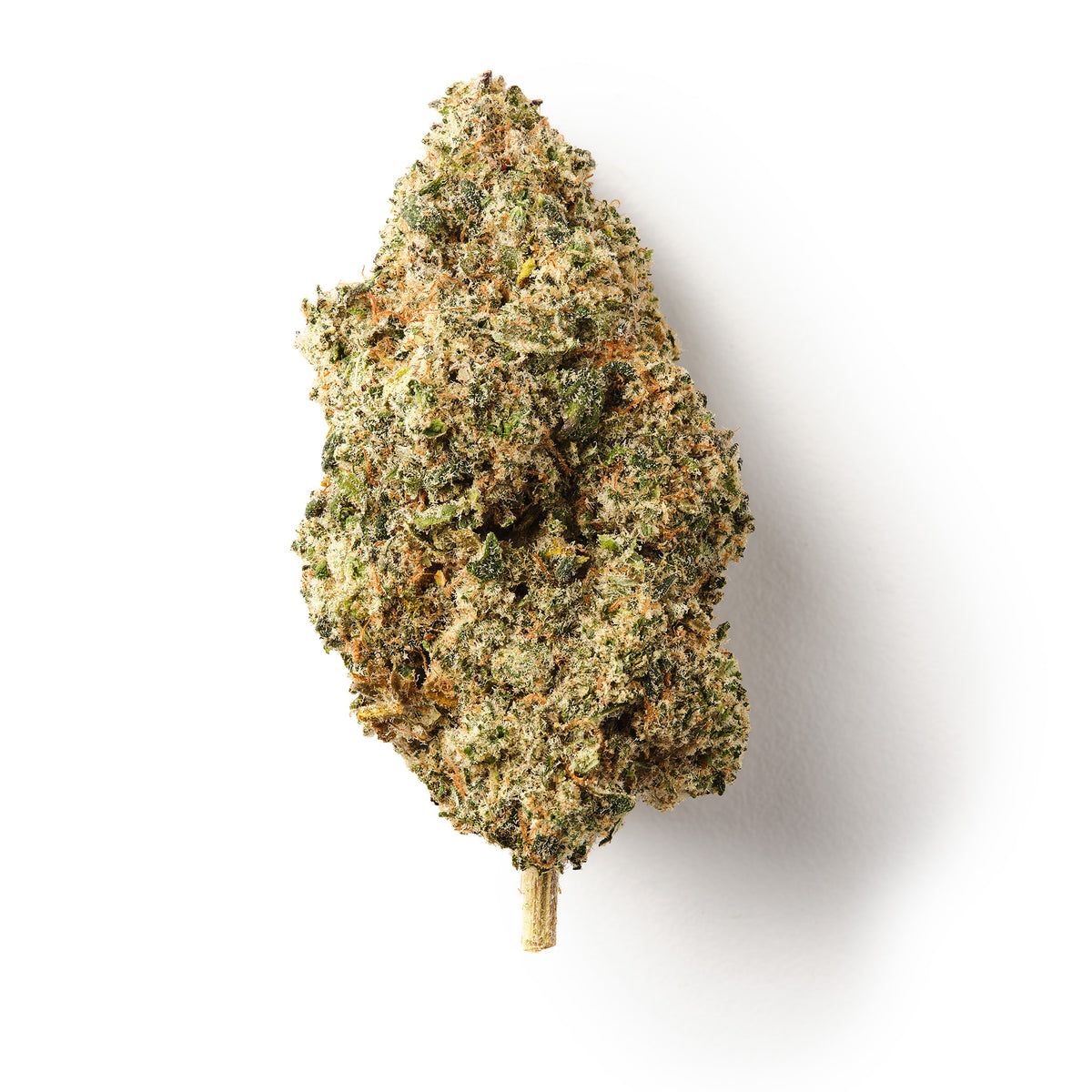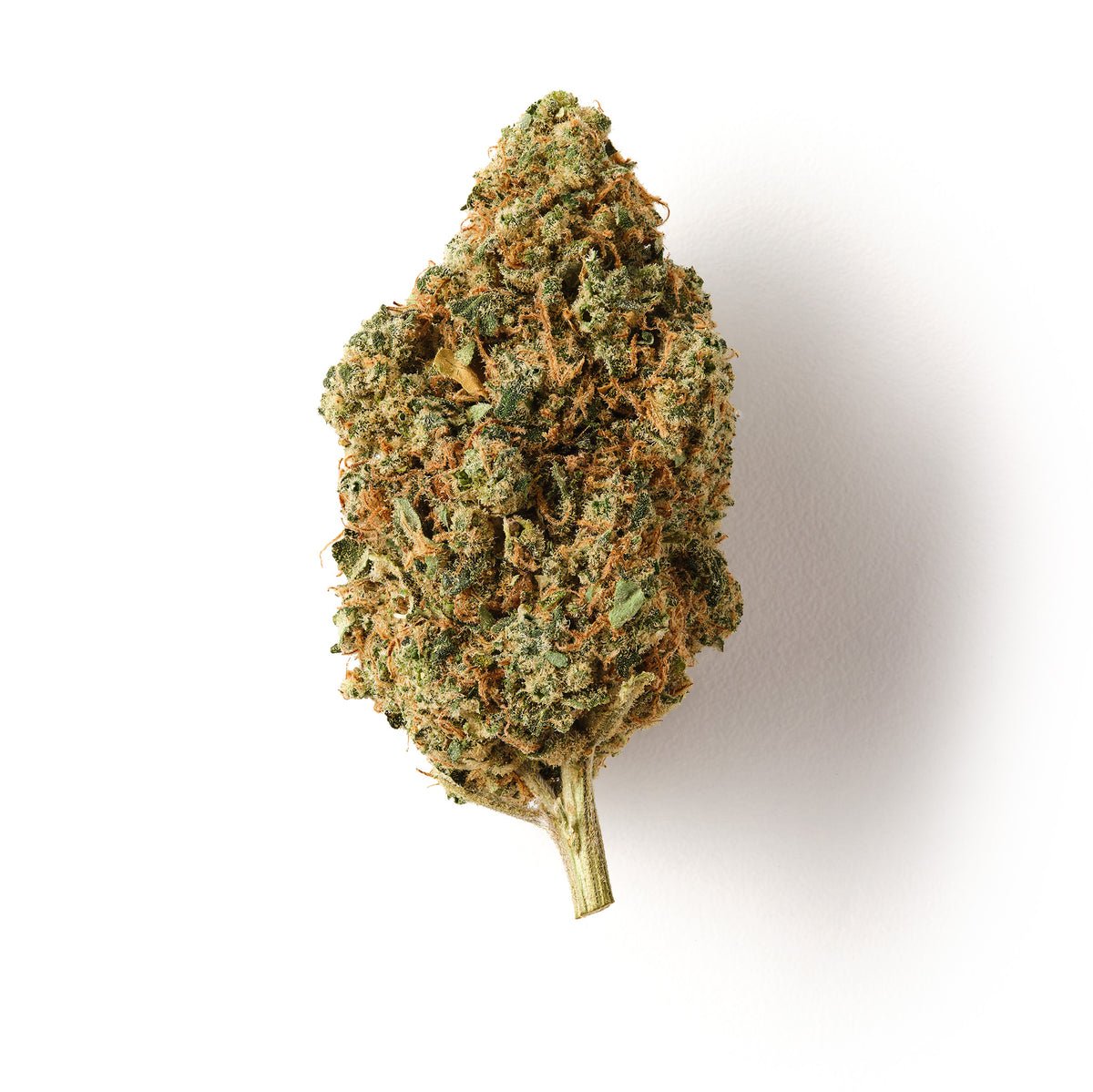

If you have ever run your fingers through a jar of expertly cured CBD buds, you’ll know that satisfying snap—neither wet nor brittle—is part art, part science. Drying isn’t just another post-harvest task on the to-do list; it’s the crucial moment when fresh hemp blossoms transform into those fragrant, potent flowers worthy of pre on any shelf. Let’s take a closer look at exactly why this step matters so much and just how much res on mastering moisture removal in the world of CBD.
Once hemp plants reach peak maturity in the field or greenhouse, a whole new chapter begins. Cutting down your crop marks only the start of what many conser the most delicate stage in flower production—the infamous post-harvest processing period. Think of it as setting the stage for everything that follows, from aroma to potency.
Just like fine cheese needs proper aging or grapes demand skilful fermentation to become wine, CBD flowers require careful drying to unlock their full potential. For those interested in exploring a variety of expertly dried and cured options, you can browse premium CBD flowers from trusted sources. Skip or rush this step, and all those months spent nurturing dreams (and plants) could quickly be lost to the cruel fates of mold prevention, mustiness, or lacklustre bud.
The moment the shears snip, the clock starts ticking. Freshly cut flowers are around 70–80% water by weight, preparing them for their in top-shelf CBD products demands removing excess moisture while preserving delicate compounds that make each strain unique.
Traditionally, growers hang branches upse-down in carefully climate-controlled rooms. Here, fans move air gently, dehumifiers hum quietly, and expert eyes keep constant watch. This isn’t just about “dryness”—it’s about steering a complex symphony of chemical changes towards perfection.
Fast-drying might seem tempting if patience isn’t your strong suit, but here’s the secret: hastiness ruins quality. Too-rap drying can trap harsh chlorophyll and rob flowers of essential oils, resulting in flavours reminiscent of hay rather than the nuanced notes enthusiasts crave.
By taking it slow, cultivators give cannabinos and terpenes—those tiny packets of aroma and flavour—the time they need to settle into their best selves. It’s not hyperbole to say that thorough drying draws the line between mediocre and legendary CBD buds.
While it sounds obvious, removing the right amount of moisture from freshly harvested flowers does much more than stop soggy-hand syndrome. Moisture removal gues an intricate interplay of chemistry, physics, and horticultural wisdom, determining everything from shelf life to taste.
Let’s break down exactly how this process shapes the end product, one aspect at a time.
High humity and organic plant material create a five-star hotel for unwelcome guests: moulds and microbes. Not many things ruin a stash quicker than the telltale smell (or sight) of fuzzy spores settling in.
By gradually reducing moisture content to safe levels (usually around 10–13%), growers effectively shut the door on microbial growth and ensure mold prevention. This isn’t just a nicety—it’s utterly critical for safety, consistency, and confence in every gram.
CBD lovers chase more than just cannabiol itself. Enter: terpenes. These highly volatile molecules are responsible for the subtle citrus zing of limonene, the calming pine of pinene, or the sweet earthiness of myrcene. They’re also notoriously quick to degrade under heat, light, or improper curing.
Controlled drying ensures the preservation of potency and preservation of terpenes, safeguarding both effects (as permitted by regulations) and that sophisticated bouquet of scents and flavours. Overdried or overheated flowers can lose a large share of these valuable aromatics—and with them, character and quality fly out the window.
Ever rolled a sticky, overly damp bud? Not fun. Equally disappointing is a nugget that crumbles at the slightest touch. Proper drying walks a narrow path between these extremes, improving texture and showcasing visual appeal that delights the eye and hand alike.
This precision translates directly into user experience, regardless of method of consumption. Smooth burning (or vaporisation), confent grinding, and visually impressive trichomes all trace their origins back to humity perfectly dialled-in during drying.
There’s no pleasure in discovering forgotten flowers have turned to dust—or worse—after a few weeks. By taking their time to achieve the right balance, skilled growers dramatically extend the improvement of shelf life. Well-dried buds stored properly in sealed containers can retain desirable qualities for months without significant degradation.
This stability benefits everyone along the supply chain, from producers to retailers and end users. Less waste, less guesswork, more value. What’s not to like?
Here’s a bit of chemistry that doesn’t often get airtime: excessive heat or uneven drying can convert some cannabinos into unwanted forms. For example, THCA may decarboxylate into THC—a potentially problematic twist if compliance is key for legal CBD sales.
Consistent, moderate temperatures help prevent drastic molecular shifts and contribute to stable analysis results. Everyone breathes easier, knowing that what’s labelled on the package matches what’s inse.
If there’s a single reason aficionados dream about opening a fresh jar, it’s aroma. The difference between bland and breathtaking lies almost entirely in how the drying process preserves delicate scent molecules locked within resin glands.
Flavour chasers and terpene devotees both owe a debt to cultivators who prioritise preservation of aroma, preservation of flavour, and ultimately, preservation of terpenes. Achieving this trifecta requires clean environments, consistent airflow, and monitoring conditions every day throughout drying and curing—no room for shortcuts.
Ever noticed how craft chocolate bars or small-batch cheeses boast enviable repeatability? CBD flowers demand the same attention. Thoughtful drying creates consistency batch after batch, preventing frustrating swings between rock-hard and limp buds, or variable smells and tastes.
This uniformity reassures consumers and builds brand confence—even if “the brand” is simply the pre you take in a home-grown, well-cared-for jar of green gold.
Aroma compounds are sensitive souls. High temperatures, super low humity, and poor storage can all send them packing faster than you’d believe. The right drying environment means slower evaporation rates and optimal breakdown of remaining sugars and chlorophylls, giving rise to sought-after aromatic complexity.
Humity control, darkness to block UV, and judicious testing become standard practice for anyone determined to maximise nose appeal. Ultimately, a flower that makes you pause and inhale again is proof positive that none of the steps were skipped.
Hden beneath surface gloss and enticing fragrances are deeper benefits only quality-driven drying and post-harvest care can deliver. Safety for consumers, predictably reliable dosing, and compliance with regulations depend on getting this part right every single time.
Anything less can endanger consumer trust—or worse, invite regulatory headaches that no grower or user desires. That’s one good reason meticulous post-harvest processing should never be an afterthought, even if it takes extra time and effort.
| Aspect | Poorly Dried Flowers | Well-Dried Flowers |
|---|---|---|
| Texture | Damp, sticky, or crumbly | Firm yet springy, easy to handle |
| Aroma | Dull, grassy, weak | Rich, pronounced, strain-specific |
| Shelf Life | Short, prone to mould | Long, stable over months |
| Cannabino Preservation | Downgraded or inconsistent | Consistent, labelled content matches lab tests |
| Mould Risk | High | Low |

Orders over £80 come with a free gift, available during checkout
We are committed to providing the highest level of customer service you will find in the CBD industry. From shopping cart to delivery, our customer reviews say it all: fast shipping, competitive prices, discreet packaging, and the highest standard of popular CBD products in the UK.